When Mold Strikes Fast: A Guide to Emergency Mold Removal
Mold is not always slow and quiet. Sometimes it arrives fast, fed by a burst pipe, a sudden roof leak, or a flash flood. One day your basement is dry, and the next day you walk into a room that smells like wet earth and decay. That is when you need emergency mold removal, not a scheduled appointment next week. Acting within the first 24 to 48 hours can mean the difference between a contained problem and a full-blown health hazard.
What Defines a Mold Emergency?
A mold emergency is not the same as the slow creep you see in a damp corner. It is the kind of event where water intrusion is active and heavy, and visible mold growth appears within hours. Think of a basement that took on three feet of water from a storm, or a burst hot water tank that soaked a finished basement. In those cases, the mold species that thrive on wet drywall and soaked carpet can start producing spores almost immediately. Some of the most aggressive species, like Stachybotrys chartarum, need sustained moisture, but others, the ones that bloom on wet surfaces in 24 hours, are what make emergency mold removal urgent.
Speed matters because mold spreads by releasing spores into the air. The longer you wait, the more those spores settle onto furniture, clothing, and building materials. Once they take hold in porous surfaces like drywall or wood, removal becomes much harder. That is why the first thing I tell anyone in this situation is to stop the water source first, then start drying everything within reach.
Stop the Water, Then Think About Cleanup
Before you touch a sponge or a spray bottle, you have to stop the water. If a pipe burst, shut off the main valve. If rainwater is coming in through a crack in the foundation, you need to divert it from the outside. No amount of cleaning will matter if new water keeps feeding the mold. I have seen people rush to scrub a wall while a leak is still dripping behind it. They are fighting a losing battle.
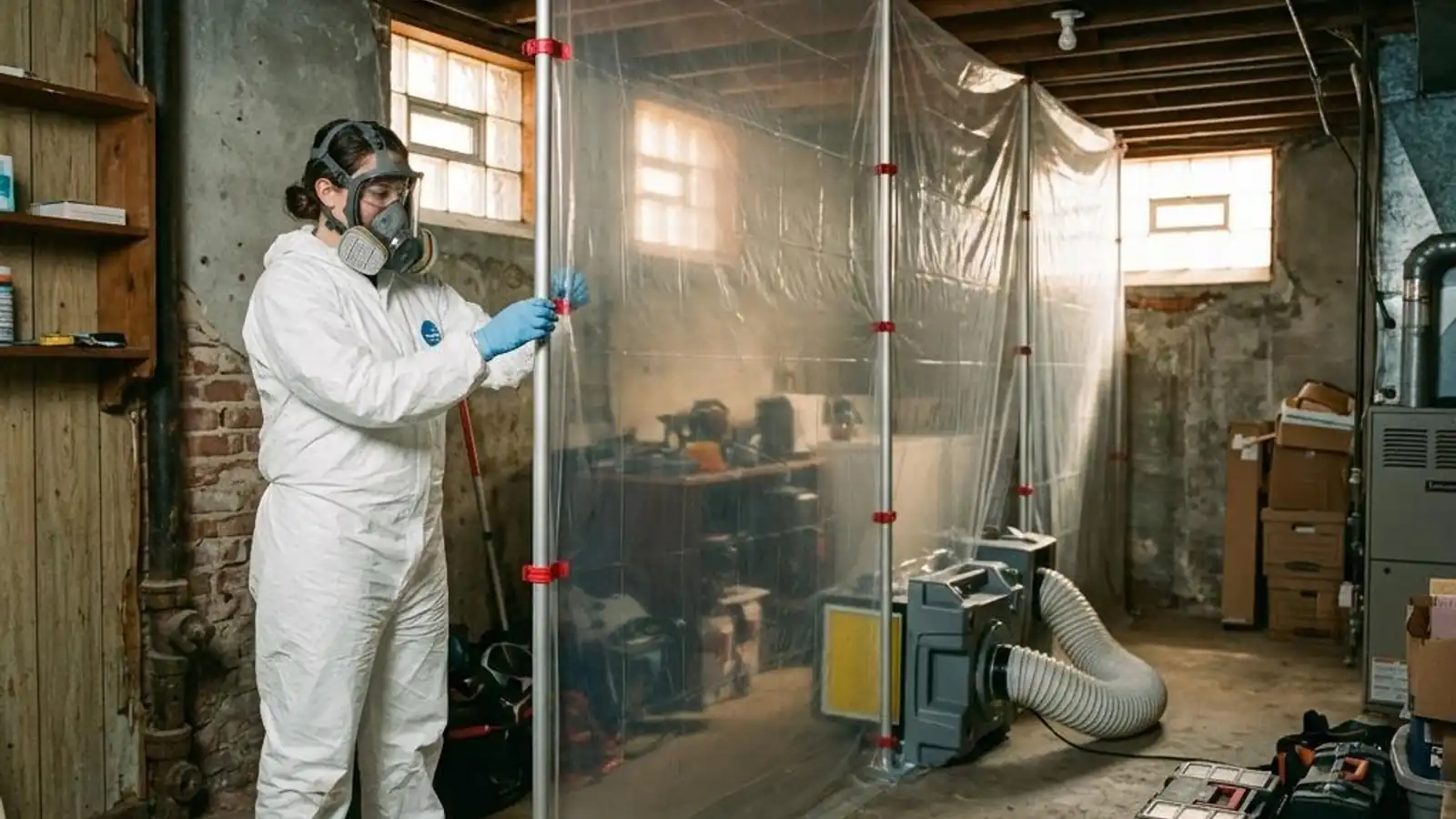
Once the water is off, the drying process begins. Open windows if the weather allows. Use fans and a dehumidifier to pull moisture out of the air. In a serious situation, an industrial air scrubber with a HEPA filter can capture airborne spores while you work. HEPA filters are essential because standard furnace filters let small spores pass right through. If you are not sure whether your equipment is up to the job, rent a commercial-grade air scrubber from an equipment yard. It is worth the cost.
Safety First: What to Wear and How to Contain
I cannot overstate the importance of personal protection when you are dealing with heavy mold growth. The EPA and OSHA both recommend at minimum an N95 respirator, but for emergency mold removal after flooding, I prefer a half-face respirator with P100 filters. Mold spores and mycotoxins can irritate your lungs and skin quickly. You also need gloves and eye protection. Do not skip these items. I have watched people develop mold allergy symptoms within minutes of starting cleanup without a mask.
Containment is another step that people often overlook. When you start removing moldy drywall or scrubbing surfaces, you kick spores into the air. If you do not seal off the work area, those spores travel through the rest of the house. Use plastic sheeting and tape to create a containment barrier around the affected room. Run a fan in a window to create negative air pressure inside the barrier, which pulls air out of the room and keeps spores from drifting into hallways. This is standard practice in professional remediation, and it applies even to a DIY emergency situation.
What to Toss and What to Save
Not everything can be saved. Porous materials like drywall, insulation, carpet padding, and ceiling tiles that have been wet for more than 48 hours usually need to go. You can cut drywall a foot above the visible water line and inspect the cavity behind it. If the insulation is soaked, remove it. Dry it out later if you want, but in practice, most soaked fiberglass insulation is not worth the effort. Replace it.
Hard surfaces like concrete, tile, metal, and glass can often be cleaned. Use a fungicide like sporicidin or concrobium, which are formulated to kill mold on non-porous surfaces. Bleach is a common go-to, but I caution against it. Bleach is mostly water, and it does not penetrate porous surfaces. On wood, bleach can actually leave the surface looking clean while the mold roots survive deeper in the grain. For porous wood, a fungicide designed for mold is a better choice. If you do use bleach, never mix it with ammonia or any other cleaner. The fumes can be toxic.
The Role of Ventilation and Moisture Control
Once the immediate cleanup is done, you have to address the conditions that let mold take hold in the first place. In Detroit, many older homes have crawl spaces and attics that are poorly ventilated. A crawl space that stays damp because of poor drainage or a missing vapor barrier can feed mold into the living space above. Attic ventilation is equally important. If your attic does not have enough soffit vents or ridge vents, warm moist air can condense on the roof sheathing and cause mold on the underside of the roof deck.
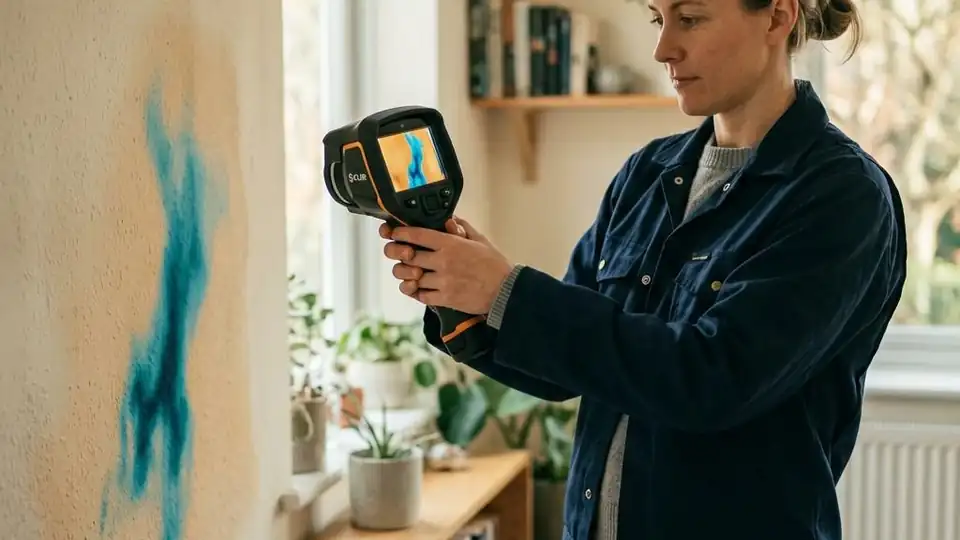
I have seen homes where the mold problem in the attic was worse than in the basement, simply because nobody thought to check the roof vents. A good rule is to inspect your attic after a heavy rain. If you see condensation or damp insulation, your ventilation needs an upgrade. That is the kind of long-term fix that prevents future emergencies.
A dehumidifier is your best friend in a basement or crawl space, but it only works if you keep it running and empty it regularly. Set it to 50 percent relative humidity or lower. If you are dealing with a chronic moisture problem, consider a permanent solution like a sump pump or a French drain around the foundation. The building envelope is the first line of defense against water intrusion. Cracks in the foundation, gaps around windows, and deteriorated siding all let water in. Sealing those points is not glamorous, but it is effective.
When to Call a Professional
Emergency mold removal can be handled by a determined homeowner in some cases, but there are limits. If the affected area is larger than ten square feet, OSHA recommends professional remediation. If you suspect that the mold is Stachybotrys chartarum, also known as black mold, the mycotoxins it produces can be dangerous, especially for people with respiratory conditions. Professionals have the equipment, the training, and the disposal methods to handle it safely.
Also, if the water damage is behind walls or above ceiling tiles, you may not be able to see the full extent of the problem. A professional will use moisture meters and borescopes to find hidden growth. They also use containment barriers and negative air pressure setups that are hard to replicate with household tools. In a major emergency, like a flooded basement after a Detroit storm, the cost of professional help is a fraction of the cost of replacing contaminated belongings and dealing with health problems later.
Prevention After the Crisis
After you have cleaned up and dried out, take notes. What caused the water intrusion? Could it happen again? If a pipe burst, consider installing a water shutoff valve that senses leaks. If a roof leak caused the problem, get the roof inspected and repaired before the next storm. If the basement floods regularly, look into a backup sump pump with a battery backup. In Detroit, where heavy rain can overwhelm old sewer systems, a backup pump is a wise investment.

I also recommend keeping a dehumidifier running in the basement during humid months, even if you have not had a flood. Humidity control is the simplest way to prevent mold. Check your attic ventilation twice a year, once in the spring and once in the fall. Clean your gutters and downspouts so water flows away from the foundation. A little maintenance goes a long way toward avoiding the next emergency.
Emergency mold removal is not a topic most people think about until they are standing in a wet room with a headache and a sinking feeling. But knowing what to do in those first few hours can save you thousands of dollars and a lot of frustration. Stop the water, dry the space, protect yourself, and decide what can be saved. If the situation is too big or too dangerous, call in a professional. And after the crisis passes, fix the root cause so you never have to do it again.
Ends · EMERGENCYMOLDREMOVALTODAY